
Data Synthesis & a Podcast: How to Tell Stories in Healthcare
There is no field more in need of good storytelling than healthcare.
It’s a system built on layers of complex bureaucracy, dependent on people learning, understanding, and sharing ideas. It’s also full of patients, caregivers, and practitioners with valuable stories to share. But privacy concerns, political pressures, and the sheer weight of information make it hard to know where to begin.
At MAKE ME, we’ve been asked into this space several times, whether it’s Alzheimer’s care, Cancer research, patient experience, or medical innovation. Often, we’re not there to make a traditional video. We’re there to find a way to elevate the stories inside the system.
On one particular project, we worked with the facilitators and designers, gathering stories from cancer patients about the diagnosis experience. The goal was to bring those stories to a board tasked with improving the diagnosis process.
The material was highly sensitive, but reducing it to data points removed the humans they were designing for. To solve this, we had the facilitators who had conducted the interviews sit down together in a makeshift podcast studio and talk through what they had heard. Not to present or summarize but to share the stories. We then shaped those conversations into short podcast episodes that could be delivered to decision-makers.
The format worked. It created space for facilitators and decision-makers to engage with the material. It was so successful, in fact, that some of the patients asked if their voices could be included in a public version. To our surprise, the governing board approved. So we recut the series, weaving in patient audio from recorded interviews. The result was a human-centred story that compelled decision makers.
A few years later, we applied these learnings to another project with J5 Design. They were supporting the development of a women’s health facility and needed a way to bring forward the stories they were hearing. Again, the content was too private for traditional on-camera interviews, so instead, we captured high-quality audio of the interviews. Then, we built a short film around those voices using visual vignettes that supported what was being said.
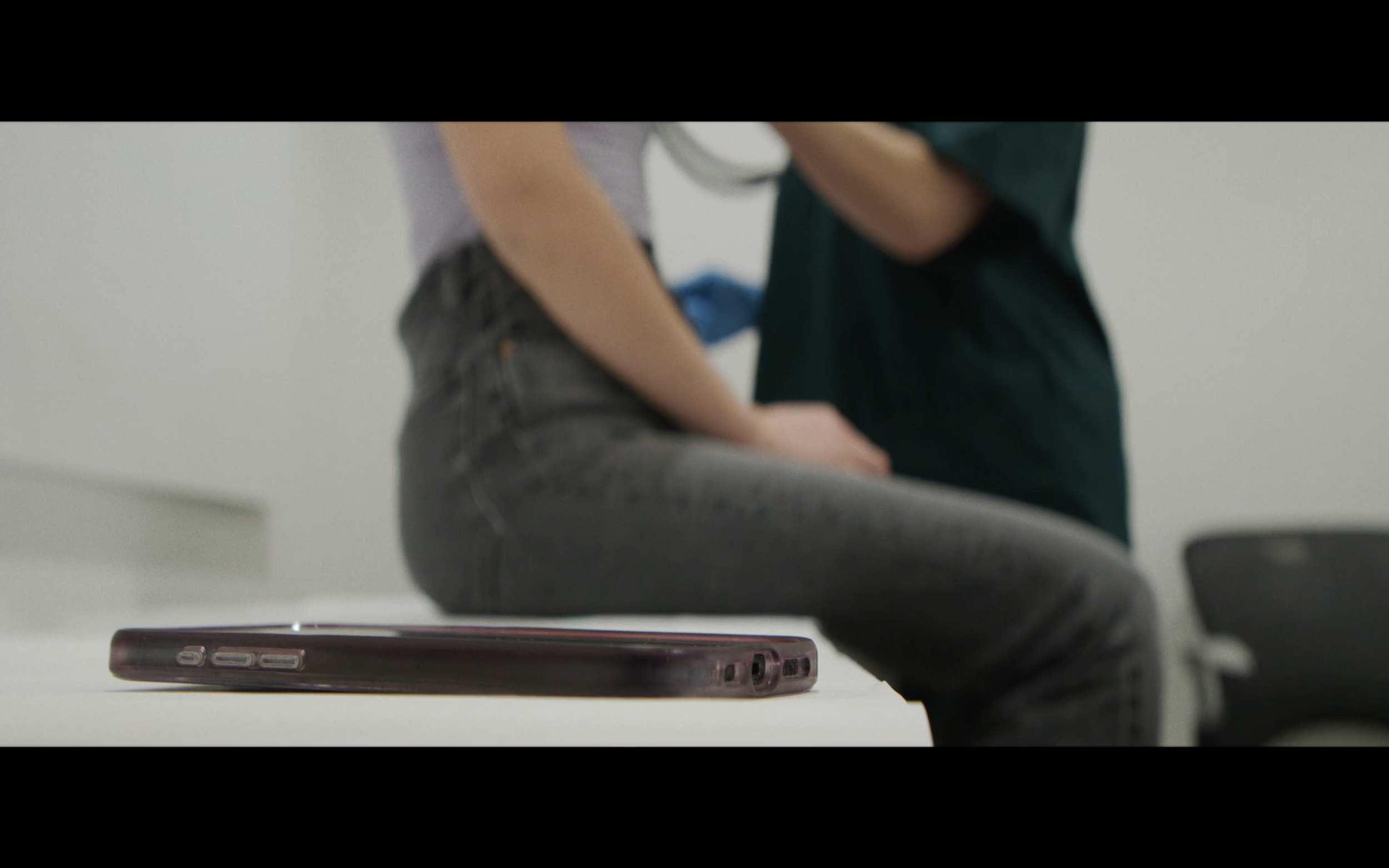
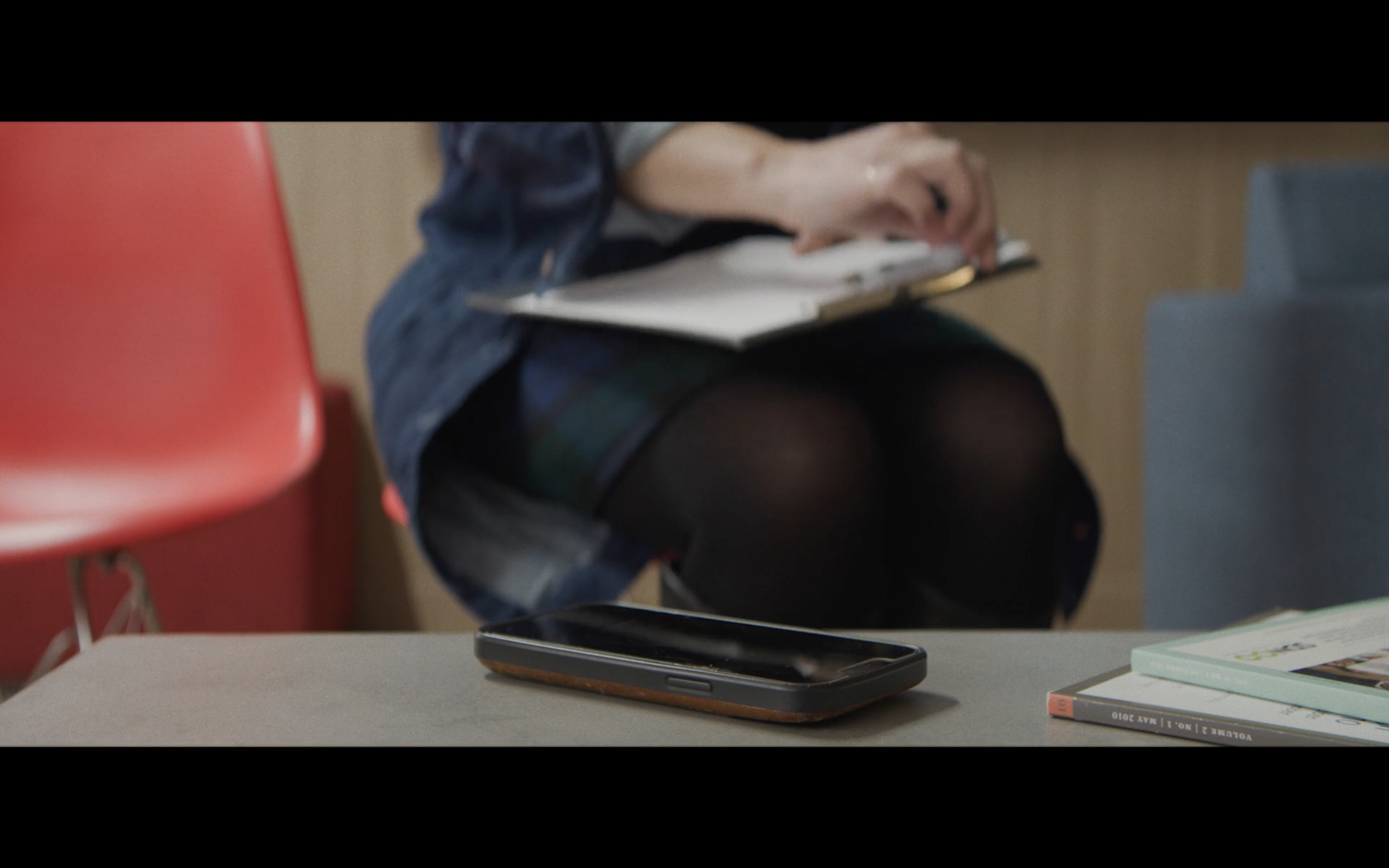

The result was a three-minute piece that delivered the weight of those experiences without exposing the people behind them. It went on to unlock the next round of funding and build buy-in across the province and medical community.
What we’ve learned from this work is pretty simple. Compelling stories can emerge from difficult conditions, and in systems that rely heavily on data, a well-told story has the power to shift perspectives. Doctors feel things they thought they’d grown numb to. Decision-makers pay attention to things they might otherwise overlook. In a world of bureaucracy and complexity, a story that cuts through can make all the difference.
by Eric Pauls